admin
admin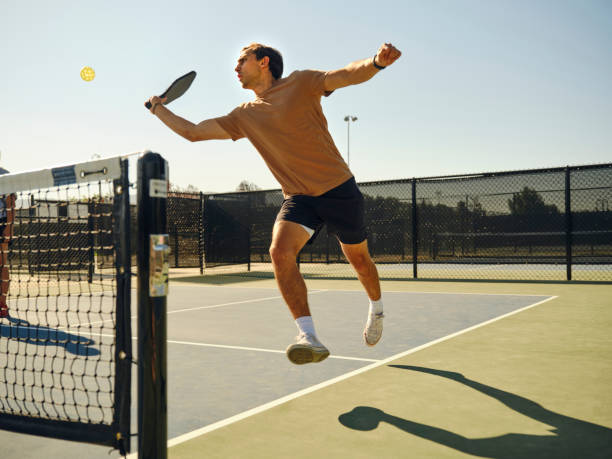
Organized pickleball events play a crucial role in maintaining competitive balance within the sport, ensuring that players of varying skill levels have fair opportunities to compete and improve. As pickleball continues to grow rapidly in popularity, structured tournaments and leagues provide a framework that promotes equity and sustained engagement among participants. Without such organization, disparities between highly skilled players and beginners could widen, discouraging new entrants and diminishing overall interest.
One significant way organized events contribute to competitive balance is through standardized rules and formats. These guidelines create consistency across competitions, allowing players to prepare adequately and understand expectations clearly. When rules are uniformly applied, matches become more predictable in structure but remain challenging due to skill differences rather than arbitrary conditions. This fairness encourages athletes to focus on developing their abilities rather than navigating inconsistent regulations.
Additionally, organized pickleball events often feature divisions or brackets based on player skill levels or age groups. This segmentation prevents mismatches where novice players face off against seasoned competitors who possess advanced techniques or physical conditioning advantages. By grouping participants appropriately, tournaments foster balanced competition where outcomes depend more on performance than experience gaps. Such stratification also motivates players by providing attainable goals within their categories https://texasopenpickleball.com instead of overwhelming challenges against far superior opponents.
Another important aspect is the role of official rankings derived from these events. Rankings help track player progress over time while offering objective measures for seeding future competitions. They encourage consistent participation since regular involvement can lead to improved standings and recognition within the community. Furthermore, rankings enable organizers to design draws that minimize early encounters between top-ranked individuals until later rounds, preserving excitement throughout the event while maintaining fairness.
Organized pickleball events also support talent identification by spotlighting emerging athletes who demonstrate exceptional skills during competition phases tailored for various levels of play. Coaches and sponsors often rely on these platforms to discover promising prospects deserving further development opportunities or financial backing.
Moreover, structured competitions promote sportsmanship by emphasizing respectful conduct under shared standards enforced by referees or officials present at sanctioned gatherings. This environment nurtures positive interactions among diverse participants fostering camaraderie alongside rivalry which benefits long-term growth of the sport’s culture globally.
In summary, organized pickleball events matter greatly for sustaining competitive balance because they establish fair rulesets, appropriate skill-based divisions, reliable ranking systems, talent exposure avenues, and uphold sportsmanship values essential for inclusive advancement in this rapidly evolving game landscape worldwide.