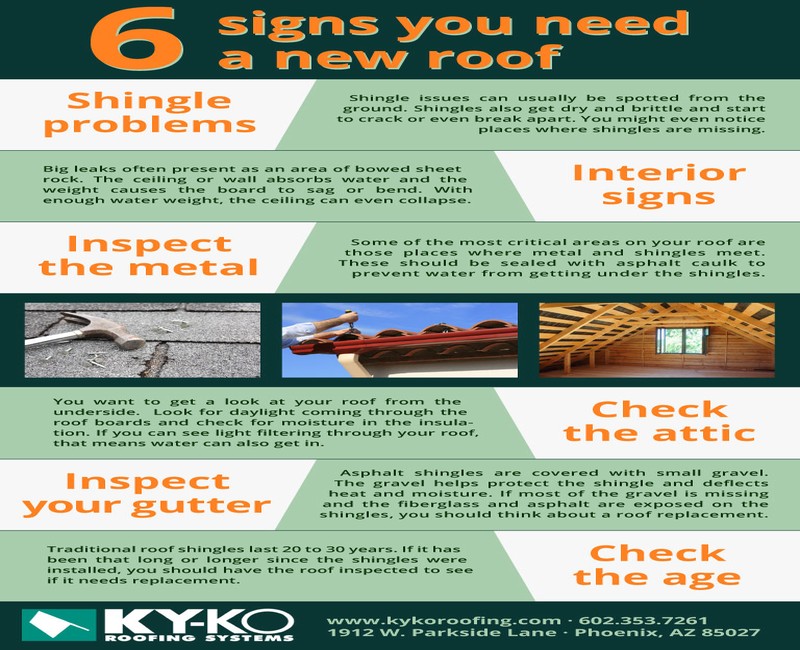
A well-maintained roof is essential for the protection and longevity of your home. Over time, however, even the most robust roofing materials can deteriorate due to weather conditions, age, or lack of maintenance. Recognizing the signs that indicate you may need a new roof is crucial in preventing further damage to your property and ensuring the safety of its occupants.
One of the primary indicators that your roof may need replacing is its age. Most roofing systems are designed to last between 20 to 30 years, depending on the material used. If your roof is approaching or has surpassed this age range, it might be time to consider signs you need a new roof replacement. Regular inspections can help determine if it’s still performing effectively or if wear and tear have taken their toll.
Another significant warning sign is visible damage such as cracked, curled, or missing shingles. These issues not only affect the aesthetic appeal of your home but also compromise its structural integrity by allowing water infiltration. Water stains on ceilings or walls inside your home often point towards leaks caused by damaged shingles or flashing around chimneys and vents.
Moss and algae growth on shingles could also signal potential problems with moisture retention in your roofing system. While they might seem harmless initially, these organisms can trap moisture against the surface of shingles leading to premature aging and rot over time.
Granule loss from asphalt shingles presents another red flag indicating deterioration; this becomes evident when granules accumulate in gutters after rainfall events signaling shingle breakdown which compromises their protective capabilities against UV rays & harsh weather conditions alike making them susceptible ultimately requiring replacement sooner rather than later!
Sagging areas within rooftops should never be ignored either since they suggest possible underlying structural deficiencies needing immediate attention before escalating into more severe complications like collapse posing serious risks not just property-wise but personally too!
Increased energy bills without any change in usage patterns might hint at compromised insulation due primarily through attic spaces linked directly back up onto faulty roofs unable efficiently regulate temperature fluctuations thereby straining HVAC systems unnecessarily hence costing extra money monthly long term basis unless rectified promptly via installation newer models better equipped handling demands placed upon them today’s modern living standards require consistently maintained optimized performance levels throughout year-round cycles regardless external environmental factors encountered along journey ahead together collectively shared experience everyone involved positively impacted result end day!