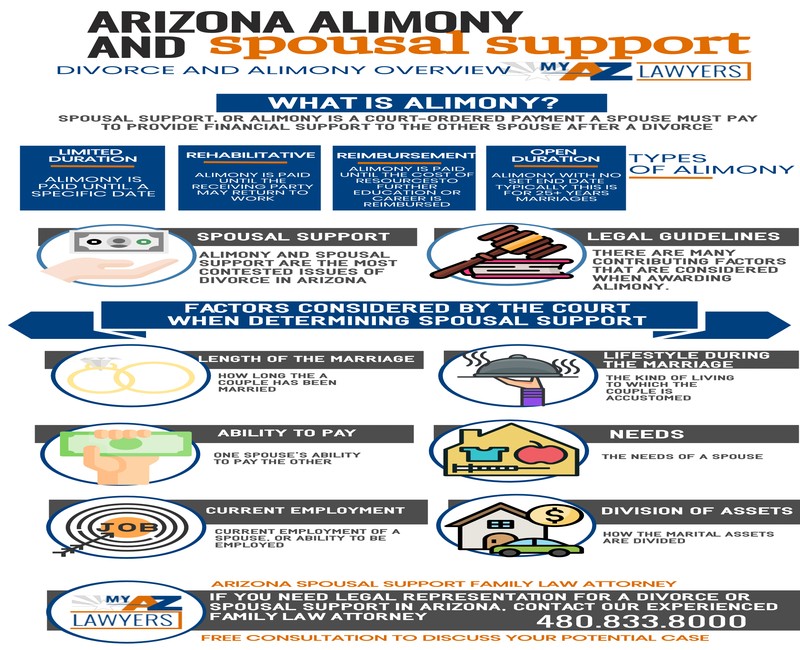
Alimony, also known as spousal support, is a financial arrangement that comes into play during divorce proceedings. It involves one spouse providing financial assistance to the other post-divorce. Understanding alimony’s intricacies can be crucial for anyone navigating a divorce. This article delves into key factors surrounding alimony and spousal support.
The primary purpose of alimony is to mitigate any unfair economic effects of a divorce by providing a continuing income to the non-wage-earning or lower-wage-earning spouse. One fundamental factor in determining alimony is the length of the marriage. Generally, longer marriages may result in longer or more substantial alimony awards because they often involve greater interdependence between spouses.
Another critical consideration is each spouse’s earning capacity and financial resources. Courts typically assess both parties’ ability to earn an income and their current financial status. If one spouse sacrificed career advancement opportunities for household responsibilities or supported the other’s education or career development, this could significantly influence alimony decisions.
The standard of living established during the marriage also plays an essential role in determining alimony and spousal support duration. The objective here is not necessarily to maintain identical living standards but rather to ensure neither party experiences undue hardship post-divorce.
Courts consider age and health as significant factors when deciding on alimony arrangements. Older spouses with limited employment prospects might receive more favorable terms compared to younger individuals who have better chances of re-entering the workforce effectively.
Fault in causing marital breakdown can sometimes influence alimony outcomes, although this varies depending on jurisdictional laws governing divorce proceedings. In some states, if one partner’s misconduct led directly to the dissolution of marriage—such as infidelity—it might affect spousal support calculations either favorably or unfavorably towards them based on specific circumstances involved therein.