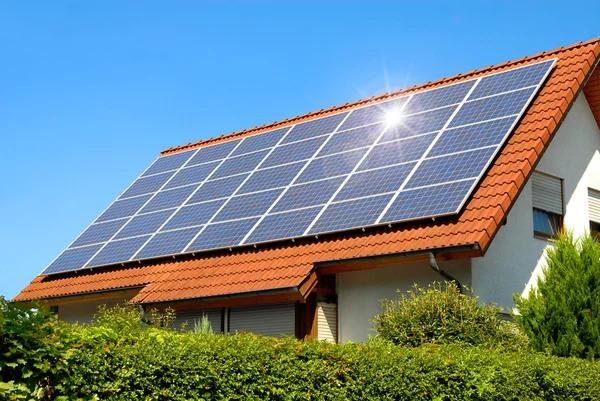
As the world increasingly turns to renewable energy sources, solar power has emerged as a leading contender in the quest for sustainable energy solutions. One of the most critical factors in harnessing solar energy efficiently is the strategic placement of solar panels. Proper panel placement can significantly enhance energy capture and maximize output, making it an essential consideration for both residential and commercial installations.
The first step in optimizing solar panel placement is understanding the geographical location and its impact on sunlight exposure. The angle at which sunlight strikes the Earth varies with latitude, affecting how much solar radiation reaches a particular area. For instance, locations closer to the equator receive more direct sunlight year-round compared to those further north or south. Consequently, understanding these geographical nuances can guide decisions about panel orientation and tilt.
Orientation refers to the direction that panels face relative to true north or south. In general, panels should be oriented towards the equator—south-facing in the northern hemisphere and north-facing in the southern hemisphere—to capture maximum sunlight throughout the day. However, local conditions such as shading from trees or buildings may necessitate adjustments to this optimal orientation.
The tilt angle of solar panels also plays a crucial role in maximizing browse website their efficiency. Ideally, this angle should be adjusted according to seasonal variations in sun position; however, fixed installations often use an average annual tilt based on latitude. This compromise allows for reasonable efficiency across different times of year without requiring complex mechanical systems for adjustment.
Beyond individual panel considerations, site assessment is vital for effective overall system performance. Factors such as roof pitch and available space influence how many panels can be installed and their potential output capacity. Ground-mounted systems offer more flexibility but require careful planning regarding land use and potential obstructions.
Innovative technologies are also enhancing traditional strategies for panel placement optimization. Solar tracking systems automatically adjust panel angles throughout the day following sun movement patterns—boosting energy collection by up to 25% compared with static installations under ideal conditions.