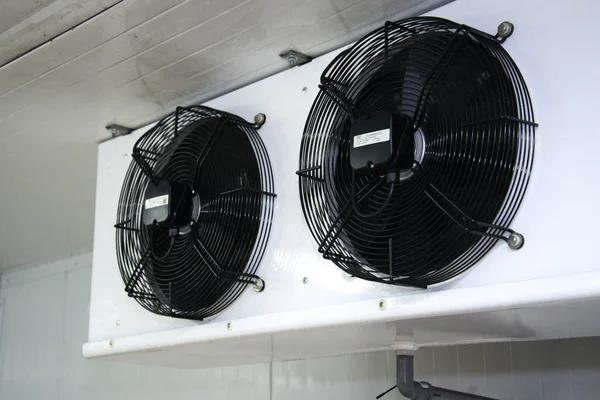
Choosing the right commercial refrigeration for a growing company is a critical decision that affects operational efficiency, product quality, and long-term costs. As businesses expand, their refrigeration needs evolve, requiring solutions that offer reliability, energy efficiency, and scalability. Investing in smart commercial refrigeration systems can provide significant advantages by combining advanced technology with practical functionality tailored to dynamic business demands.
One of the primary considerations when selecting commercial refrigeration is energy consumption. Refrigeration units typically account for a substantial portion of utility expenses in food service and retail environments. Therefore, opting for models equipped with energy-efficient compressors and insulation materials can reduce electricity bills while minimizing environmental impact. Modern units often include features such as variable speed drives or intelligent defrost cycles that optimize performance based on usage patterns rather than running continuously at full capacity.
Another essential factor involves temperature control precision. Maintaining consistent temperatures ensures product safety and extends shelf life by preventing spoilage or bacterial growth. Advanced refrigeration systems incorporate digital monitoring tools allowing real-time tracking of internal conditions through connected devices like smartphones or computers. Alerts generated from these systems notify managers promptly if temperatures deviate beyond acceptable ranges so corrective action can be taken immediately before losses occur.
Space utilization also plays an important role in choosing appropriate equipment as companies grow their inventory or diversify product offerings. Modular designs enable easy expansion without replacing entire units while adjustable shelving accommodates various item sizes efficiently. Additionally, glass door refrigerators enhance visibility for customers in retail settings while reducing the need to open doors frequently-helping maintain stable internal climates.
Maintenance requirements should not be overlooked since downtime due to equipment failure can disrupt operations significantly during peak periods. Selecting brands known for durability backed by comprehensive warranties provides peace of mind along with access to responsive technical support services when needed. Regular maintenance programs integrated into purchase agreements help prolong unit lifespan and sustain optimal functionality over time.
Sustainability has become increasingly relevant among modern enterprises aiming to meet regulatory standards and consumer expectations regarding environmental responsibility. Choosing refrigerants with low global warming potential (GWP) aligns with these goals while future-proofs investments against potential legislative changes affecting older substances commonly used in cooling technologies.
In conclusion, smart Commercial Refrigeration choices involve balancing cost-effectiveness with technological advancements suited to evolving business needs. Prioritizing energy efficiency, precise temperature management, flexible space design, reliable maintenance options, and eco-friendly components will equip growing companies with robust tools necessary for maintaining quality products while supporting sustainable growth trajectories within competitive markets worldwide.